
 info@solarco.lt
 +37065522012
 SOLAR CO - CLEAN ENERGY THAT DOESN’T COST THE EARTH
Join the solar revolution

Solar Power Plant Installation

Solar Power Plant Design

Thermal Imaging Inspection of Solar Power Plants by Drone

Electric Vehicle Charging Station installation

Electrical Work

Equipment store
 Browse products by category


 New TECHNOLOGY - thermal imaging inspection and fault repair.
Thermal Imaging Inspection of Solar Panels
To ensure that your investment in solar energy is effective, regular inspections are essential. Poorly functioning solar panels pose safety risks and can also affect their efficiency.
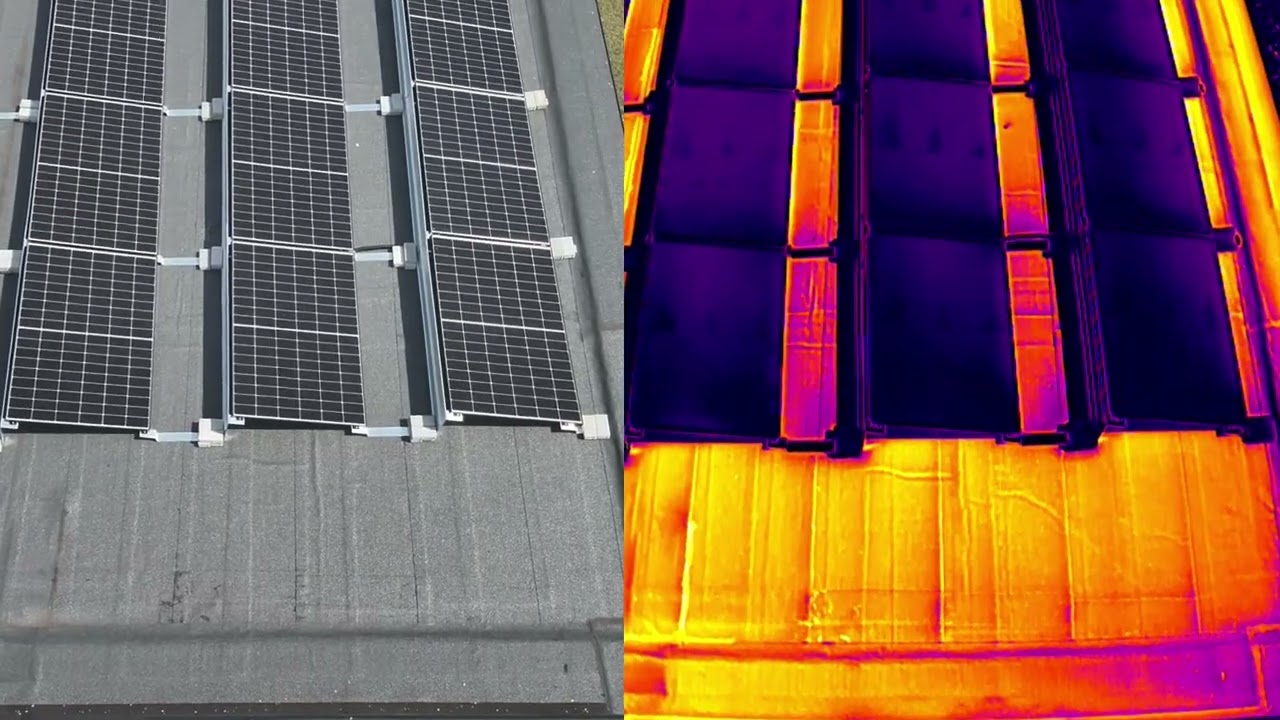
Using specialized drones, we can identify all defective solar modules. Our drones are equipped with thermal imaging cameras that scan each solar panel, identifying hot spots indicating faults. This allows us to accurately detect potential issues and facilitate repairs before they escalate into costly problems.
Upon identifying faults, our team will provide a proposal with pricing for repairs.

Efficiency Improvement
Thanks to thermal imaging, you can increase the efficiency of your solar power plant by up to 30%.

Safety
Defects in solar panels can not only reduce energy production but also pose safety risks. Identifying these issues during inspections allows for timely repairs or replacements.

Early Problem Detection
Thermal imaging enables the quick detection of temperature changes in solar modules, which may indicate potential faults or efficiency loss before more serious problems arise.
What happens if our drones detect one or more faults during inspection?
After the inspection, we provide our clients with a detailed map of the solar power plant, highlighting the exact locations of faults in the modules. We also include thermal images that show temperature differences. Using the map and images, problems can be quickly identified, allowing maintenance teams to promptly carry out repairs. Additionally, we will present a proposal for fault resolution with an exact price after the inspection.
Our drone pilots are also maintenance specialists. What’s the advantage of this?
This expertise allows them to accurately classify faults, as they have a thorough understanding of the technology. Moreover, they know everything about solar power systems and their relevant characteristics. This means they can distinguish real faults from false alarms.
How Often Should Thermal Imaging Inspections of Solar Panels Be Conducted?
The interval for thermal inspections depends on your system. Typically, inspections are performed 1, 2, or 4 times a year, depending on the age of the system and equipment specifications. If the equipment is older, more effort may be needed for active maintenance, which means more frequent inspections.
Is Drone Inspection the Best Way to Detect Faults in Solar Panels?
Yes, due to the difficult accessibility of building rooftops, large areas of solar farms, and efficiency, thermal imaging with drones is the most cost-effective and quickest way to identify faults or poor installations in solar modules. Drones do not create enough wind to cool down solar panels (as can happen when performing thermal imaging from a helicopter), and operating them is straightforward and inexpensive. Currently, there is no cheaper or more efficient method than drones for thermal imaging inspections.
 Electric Vehicle Charging Station Installation
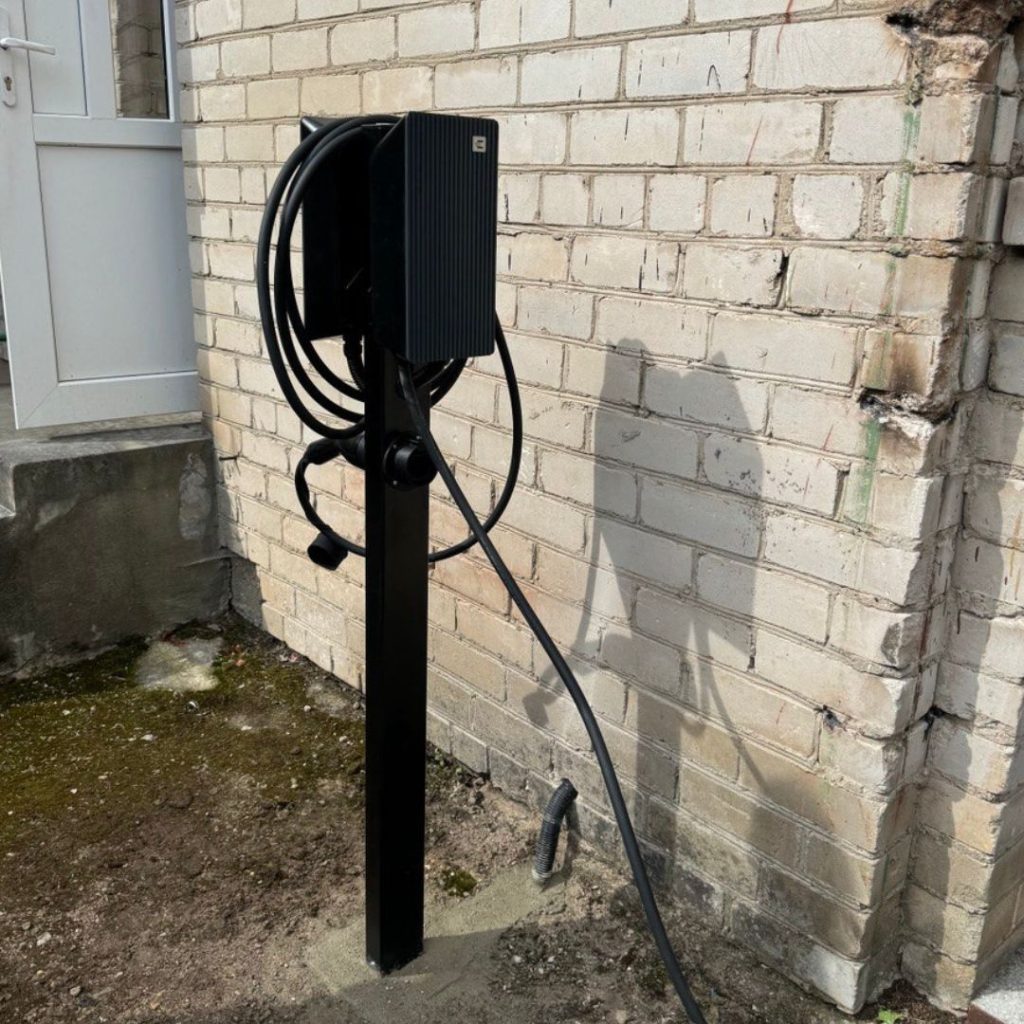
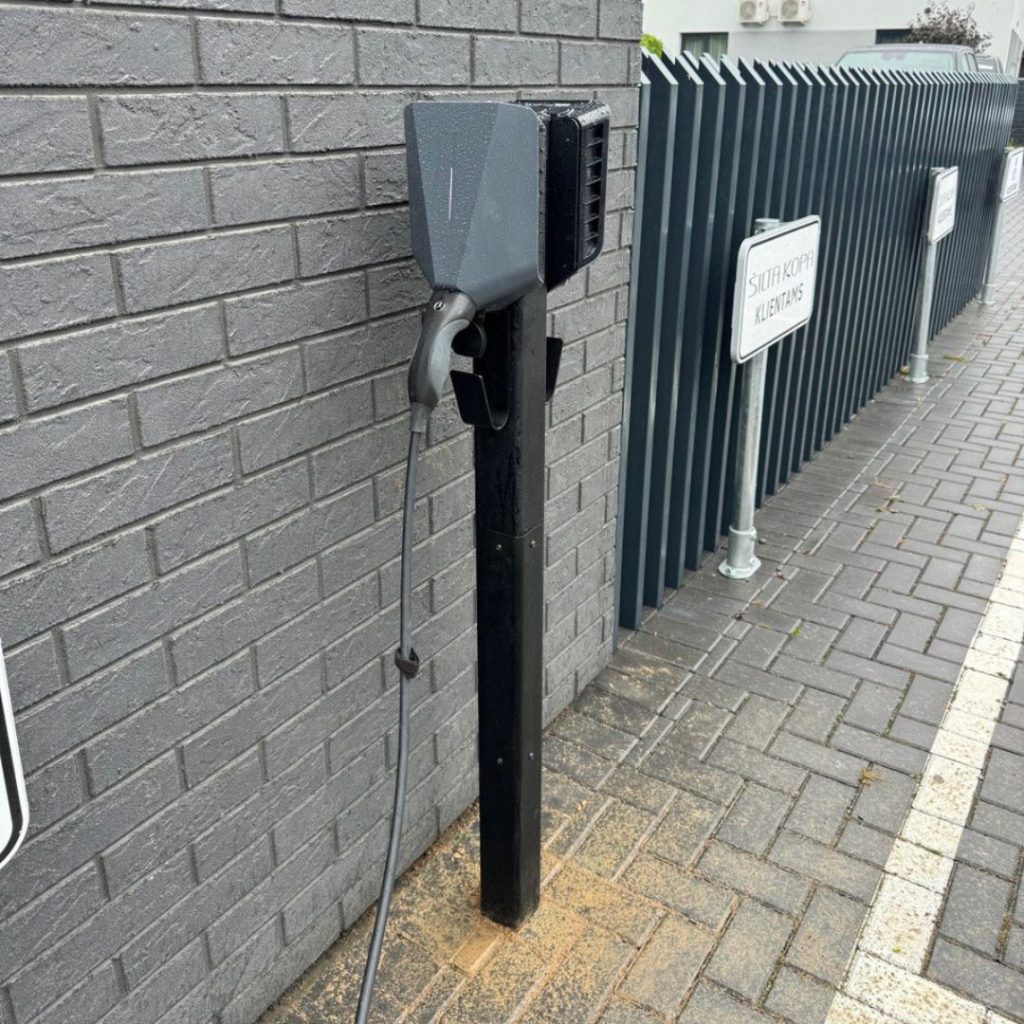
Installation of Electric Vehicle Charging Stations for Businesses and Homes
 Stations can be installed in your designated parking space, garage, underground parking, etc. Our specialists will provide equipment consultations and ensure the quality installation of the electric vehicle charging station.
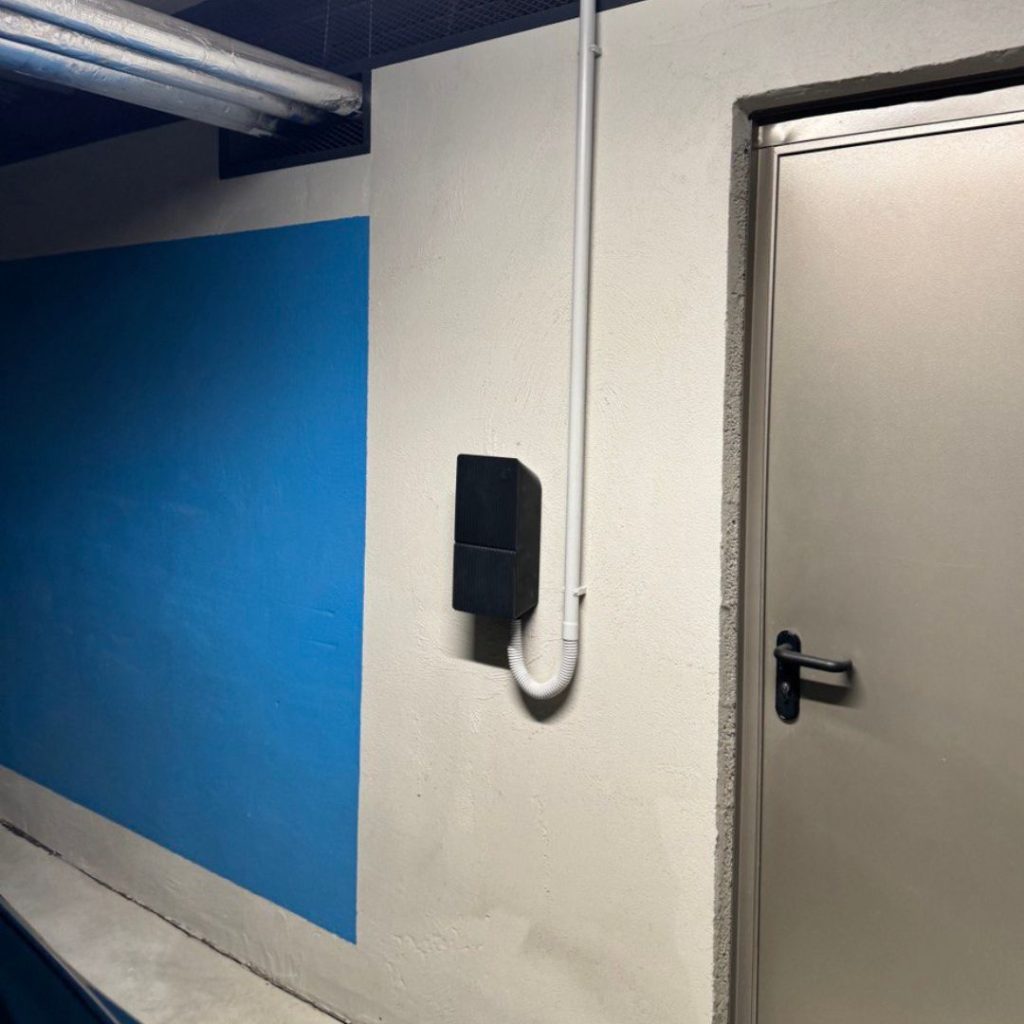
 Residents of apartment buildings can also install a charging station in their private parking space in the underground garage or parking lot.
Get a free consultation regarding electric vehicle charging station installation.
Our specialists will provide consultations on equipment matters and ensure the quality installation of the electric vehicle charging station.
 Car Charging Stations
-
 Wallbox Pulsar Max įkrovimo stotelė | Type 2, 22 kW, 7m kabelis710€
 -
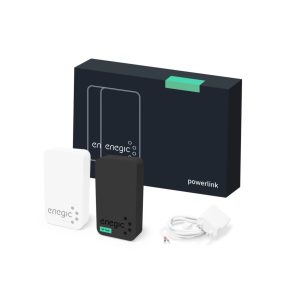
Enegic Powerlink dinaminis galios valdiklis su P1 jungtimi ESO skaitikliui ir saulės elektrine235€
-
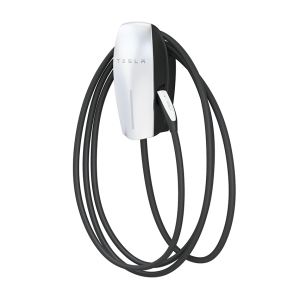
Tesla Gen 3 EU elektromobilių įkrovimo stotelė – kabelis630€
-
Amina S 32A elektromobilių įkrovimo stotelė – 22 kW kabelis639€
-
Amina S 20A elektromobilių įkrovimo stotelė – 11 kW kabelis549€

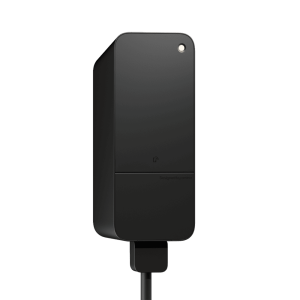
Get a free consultation regarding electric vehicle charging station installation.
Our specialists will provide consultations on equipment matters and ensure the quality installation of the electric vehicle charging station.
Reviews about our work
Happy Clients Mean Happy Us
An Efficient and Professional Team!
I was very impressed with the solar power plant installation process. The team was efficient, professional, and pleasant. They did an excellent job, and I highly recommend them to anyone looking for quality solar panel installation.
Vitalija K.
I had nothing to worry about - excellent service!
The team was very professional and took care of everything, so I didn’t have to stress. They advised me on what system to install and selected the best equipment. I highly recommend this company to anyone looking for quality solar panel installation.
Simonas E.
Great customer service and in-depth knowledge.
I am glad I chose this team; they were always ready to answer my questions and ensure that I was completely satisfied with the final result. I am very happy with my new solar power plant and am saving a lot on my energy bills.
Deividas U.
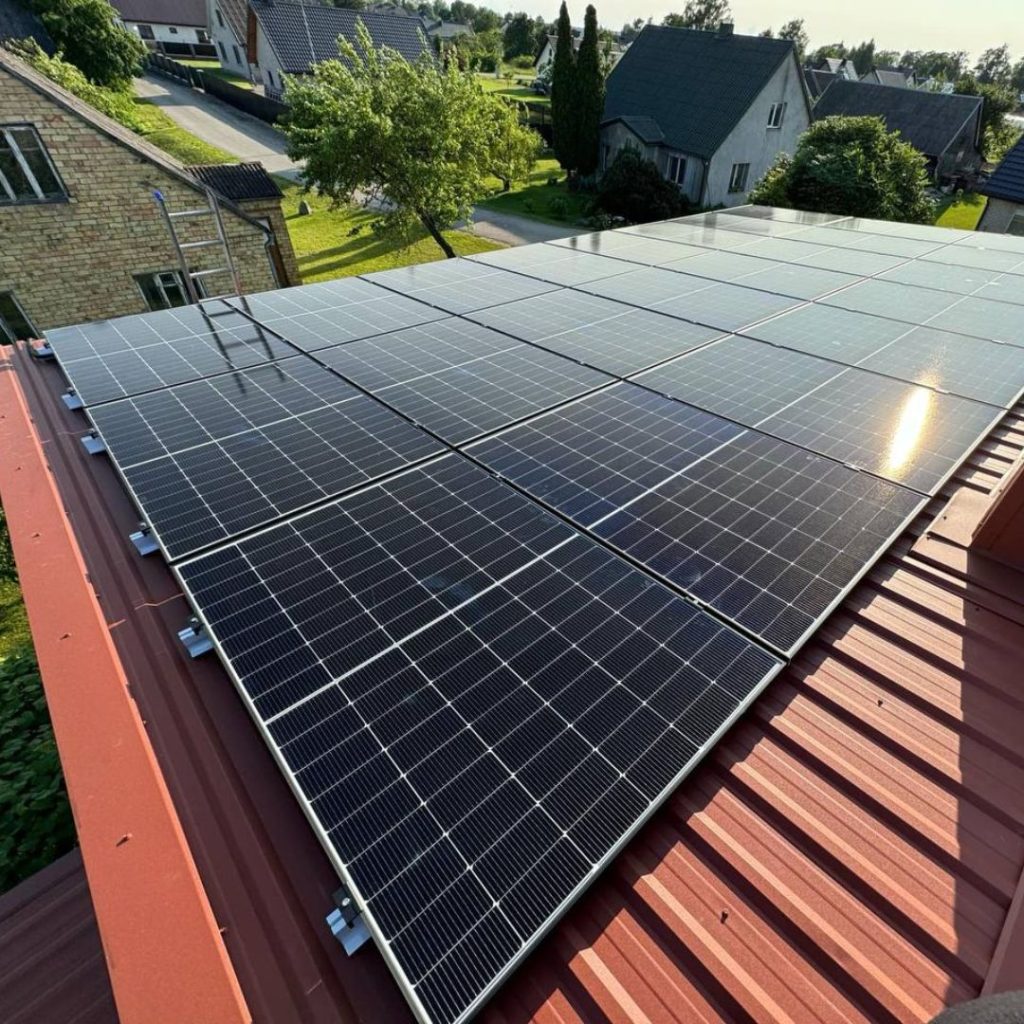
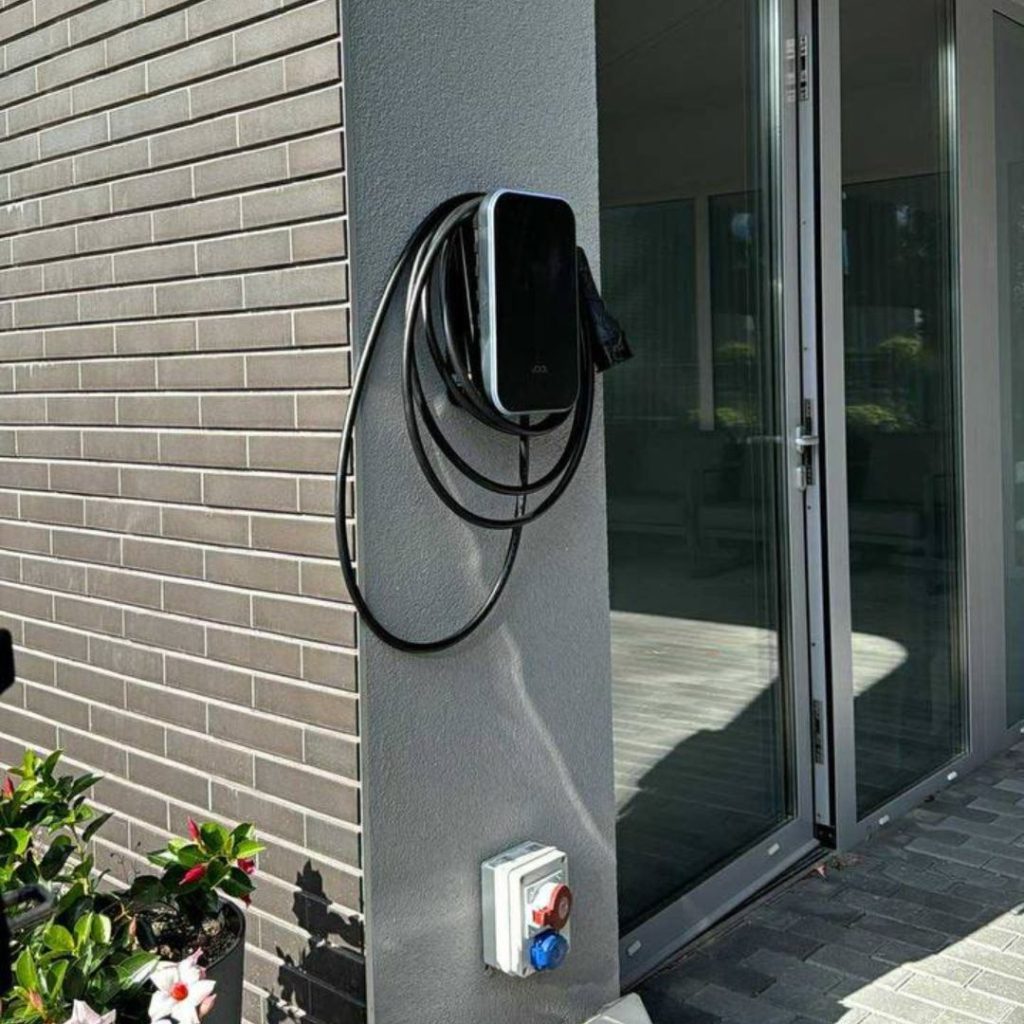
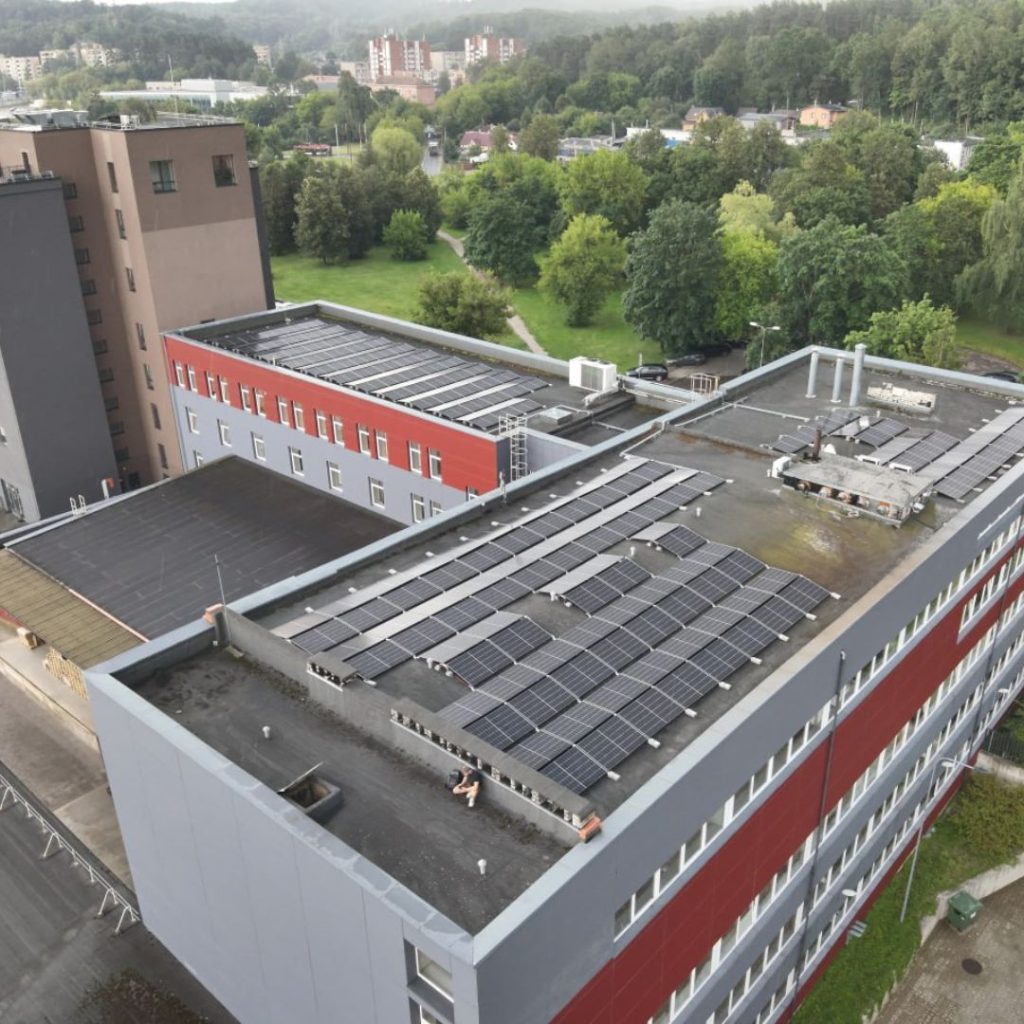
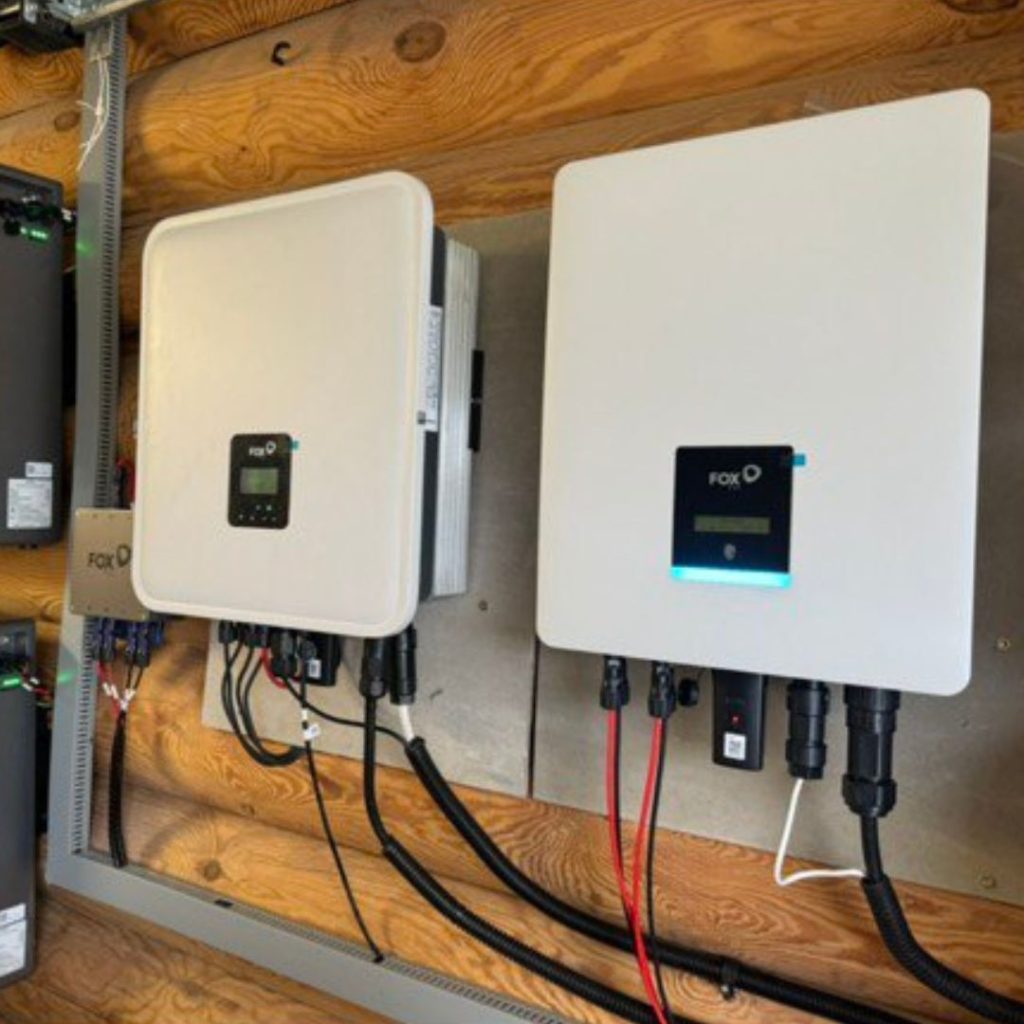
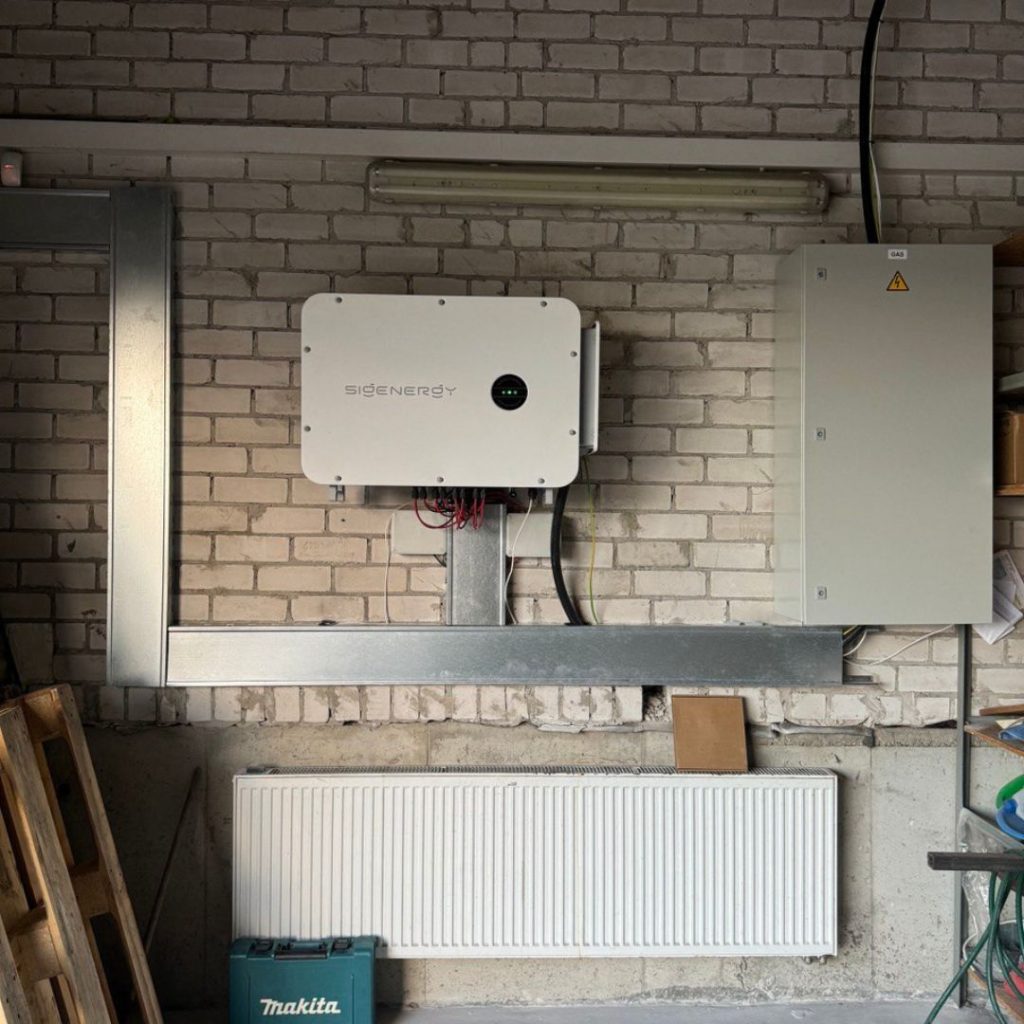
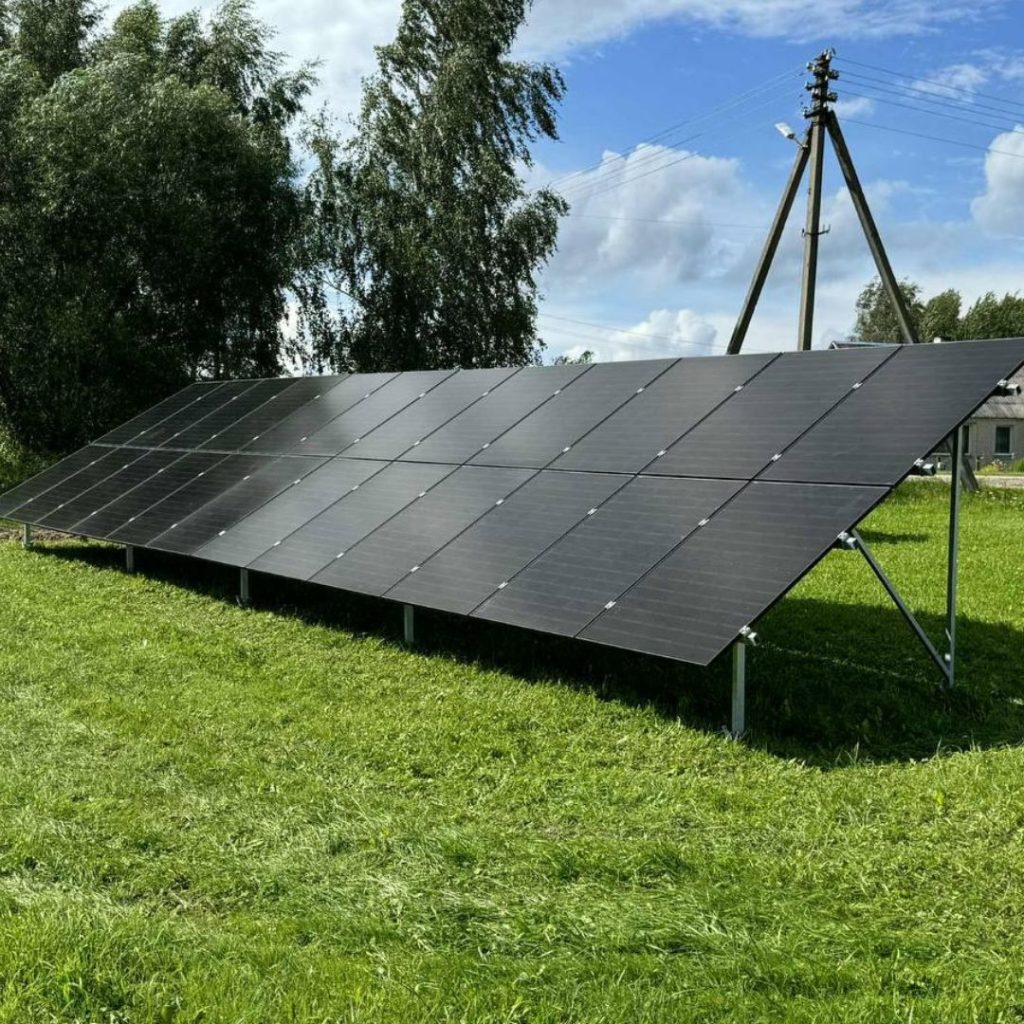
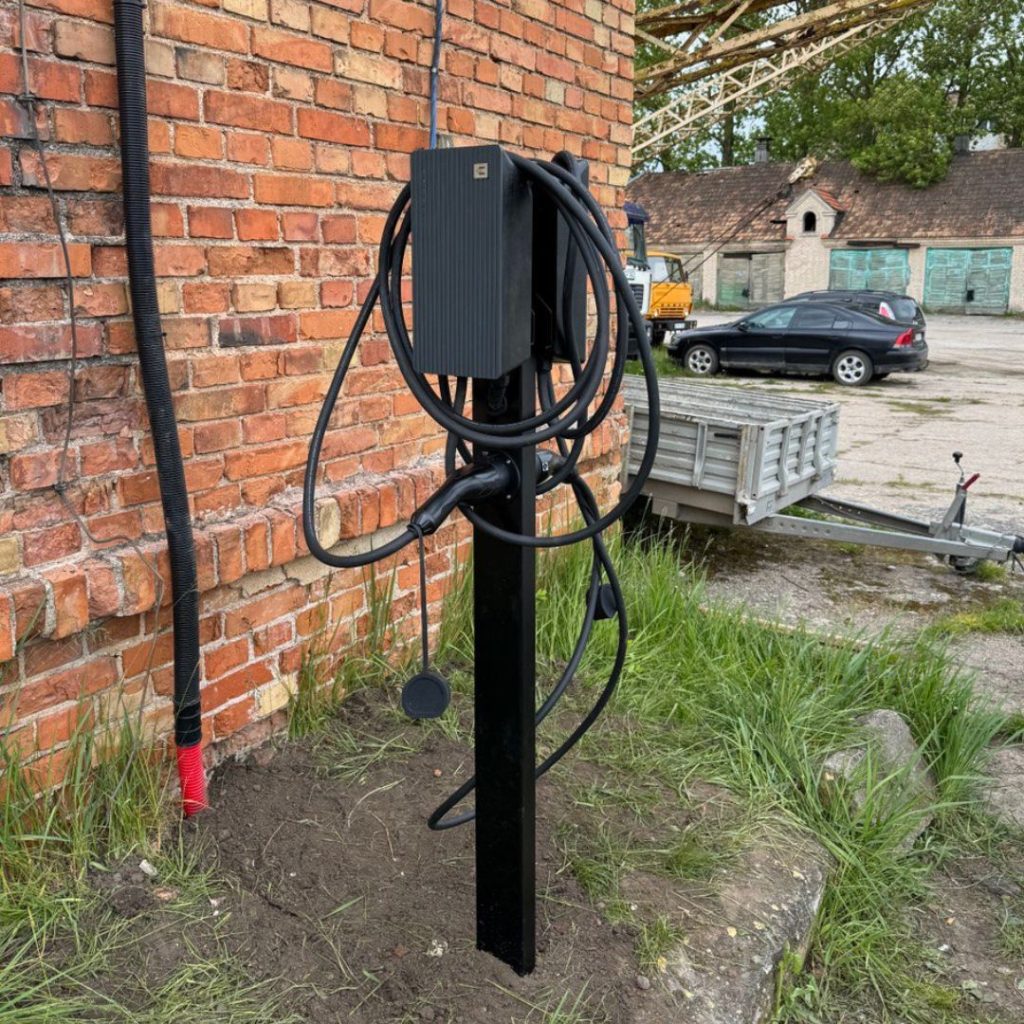
Įrengtos saulės elektrinės ir kiti projektai
Completed Projects
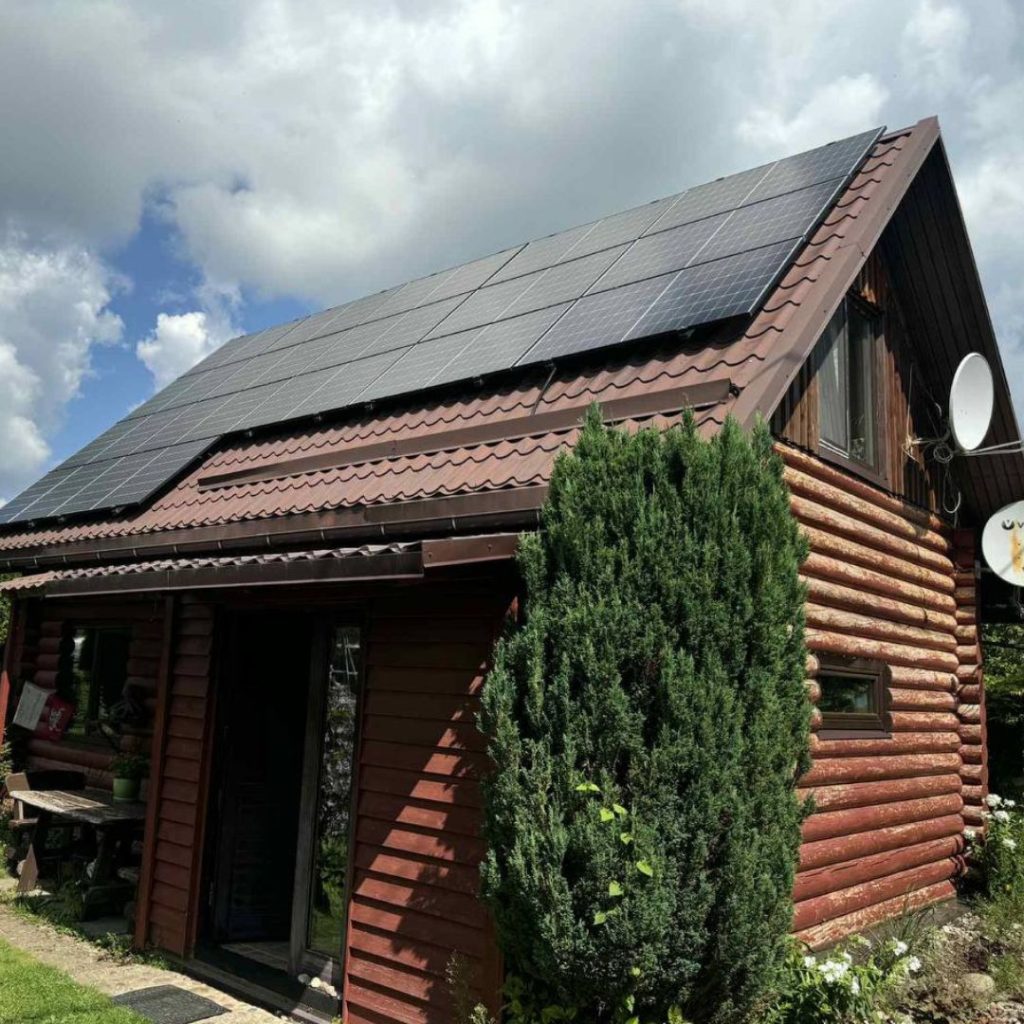
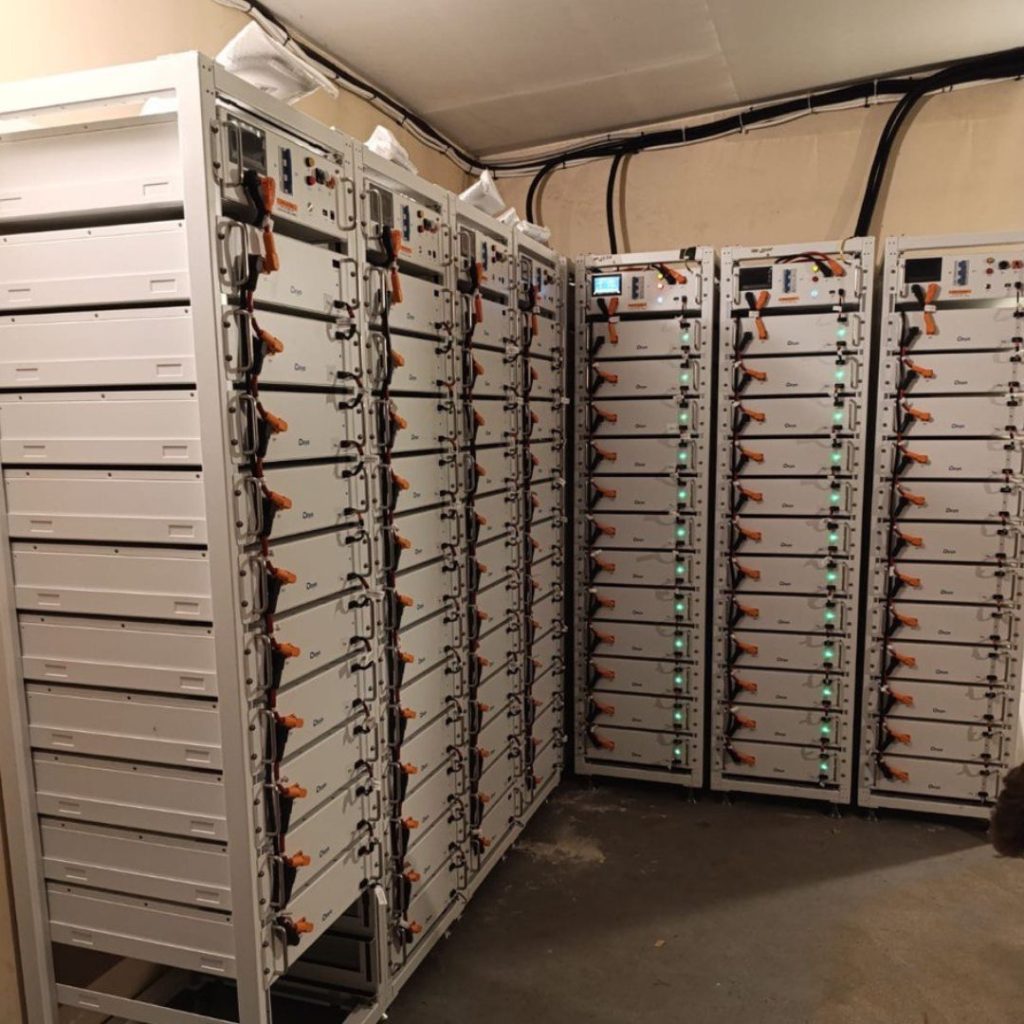
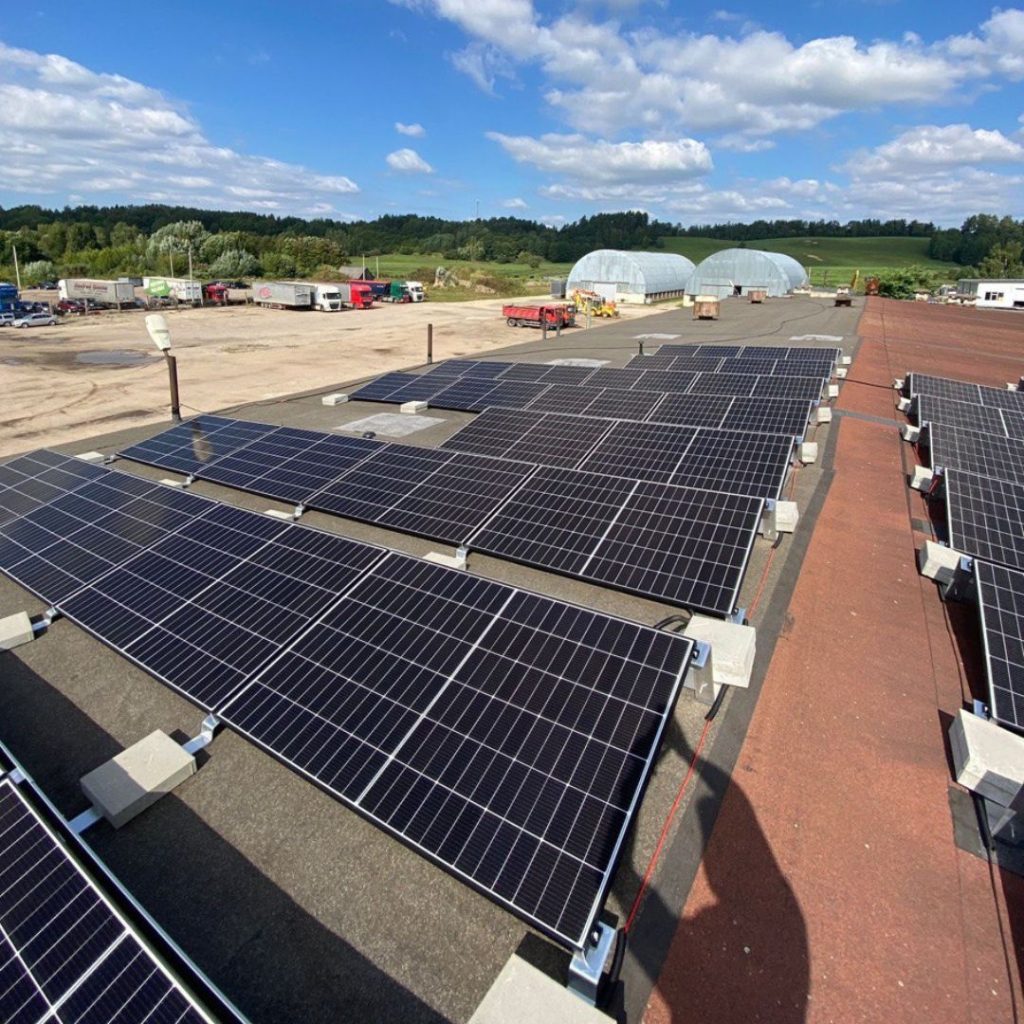
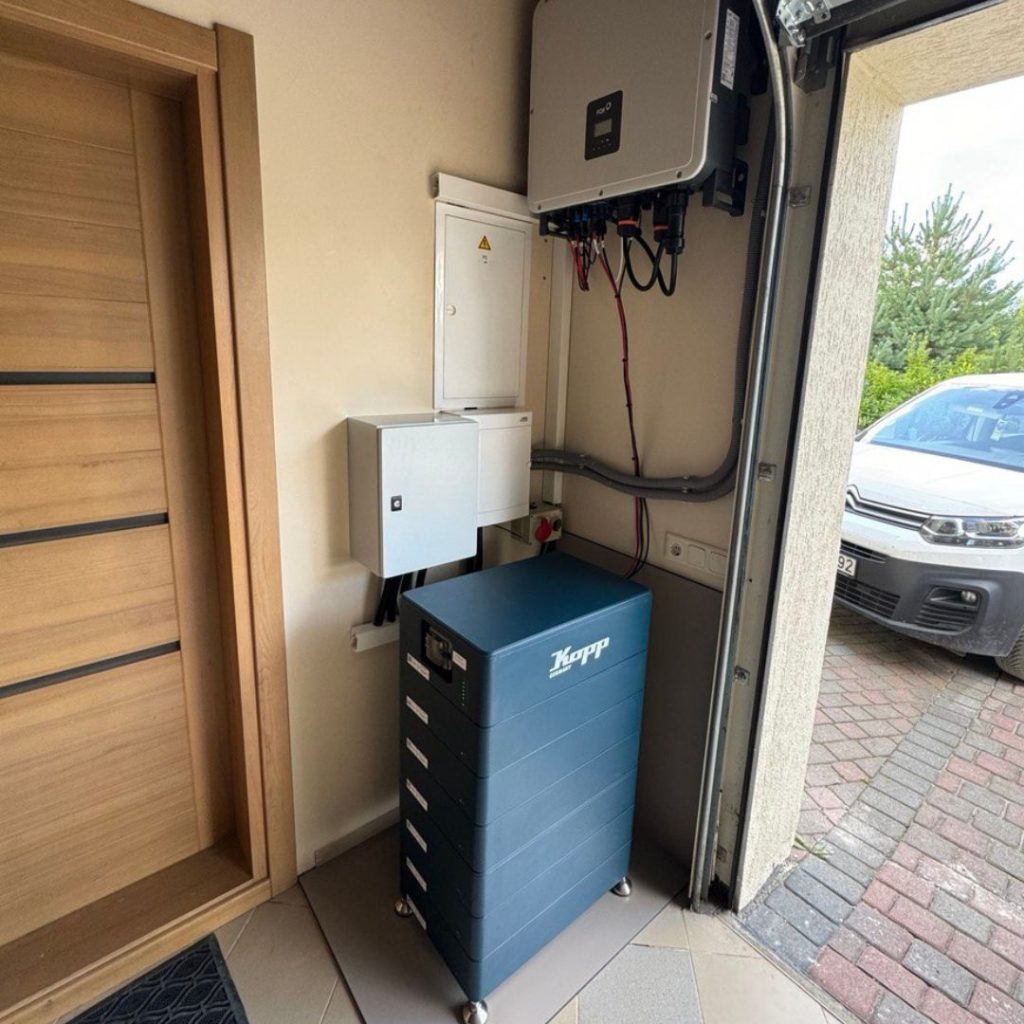
 Find Answers to Your Questions
Frequently Asked Questions
Is it worth installing a solar power plant in Lithuania?
Lithuania may not receive as much sunshine as Portugal or Turkey, but the amount is nearly comparable to that of northern Spain. This is sufficient to successfully harness solar energy for your needs. A similar situation exists in Germany, which is one of the most efficient countries in Europe at utilizing solar energy.
In the summer, a solar power plant generates more electricity, but by taking advantage of the ESO electricity storage service, you can accumulate enough electricity to last throughout the winter. In our climate, a properly oriented solar power plant can produce about 10,000 kWh of electricity per year. This amount is often sufficient for a family with high electricity consumption habits.
What are the best conditions for a solar power plant?
The ideal locations for a solar power plant in Lithuania are in the Klaipėda or Marijampolė counties. If you live in these areas and your roof has a 35-degree slope facing south, you will have one of the most efficient solar power systems in Lithuania. However, if the roof has a complex structure and is oriented in less sunny directions, the electricity generation—and therefore the payback period—may be extended.
Can hail damage solar panels?
After heavy hail, small cracks or scratches may appear on the protective glass of a solar panel, and depending on the impact strength, the solar cells themselves could be damaged. The good news is that before solar panels reach the market, manufacturers conduct thorough testing to ensure that their products can withstand various extreme weather conditions, including hail and strong winds. Solar panels are designed to last 25 years or longer, and since they are inherently meant for outdoor use, they are built to be durable.
So, while hail can damage solar panels, it is relatively rareThanks to careful design and testing, damage typically occurs only in the most extreme weather conditions. Additionally, different solar panel manufacturers optimize their products based on various performance factors. This means you have options when choosing brands and panel types. By consulting with our team, our specialists can recommend high-quality solar panels that not only meet your energy goals but are also best suited to your local weather conditions.
Do solar power plants need cleaning?
Dirty solar panels can lose up to 20% of their efficiency. However, there is no universal answer to how often solar power plants should be cleaned—it depends on factors such as location, weather conditions, the type of solar panels, and more. Rough glass and frames can contribute to the accumulation of dust. Meanwhile, frameless solar panels feature completely smooth glass and are coated with a special layer that prevents dust buildup. Since frameless panels don’t have frames, there’s less opportunity for dust to cling to them.
If you live near a dusty gravel road, more attention will need to be paid to maintenance. Similarly, areas near large fires may require more frequent cleaning. To ensure that the system operates as efficiently as possible, the general rule is to inspect (and clean, if necessary) the panels at least twice a year.
 English
  Lithuanian